
TL;DR: Crowdfunding platforms work best for women-led and community projects when the platform brings extra money and the founder brings her own crowd. I checked the fees of 10 platforms on their own pages on 2 November 2026, from Crowdfunder UK's 0% platform fee for not-for-profit community projects to Startnext's 14% Premium plan. Women start with an edge: in a PwC study of more than 465,000 reward campaigns, 22% of female-led campaigns reached their target against 17% of male-led ones. Put your own goal, pledge and network into the free backer and goal planner below before you pick a platform.
Crowdfunding platforms come up in almost every conversation I have with women in the Fe/male Switch community, right after a bank said no or an investor asked for a deck they don't have. As a bootstrapping founder, I like crowdfunding for a simpler reason: it is a sales test with a deadline. Either enough people pay for your idea in 30 days, or you learn that cheaply.
Most lists of crowdfunding sites are written from the US and never show what you keep after fees. This guide is for women and first-time founders in Europe who fund their own projects. You get 10 platforms that take campaigns today, their published fees, the match funding that tops up community projects and a first-week plan built on the people who already know you.
How does the backer and goal planner work?
Type your funding goal, your average pledge and what one reward costs you, shipping included. Pick a platform and the planner fills in its fee as published (you can edit it). Then estimate how many people you know in each circle and what share of them will back you.
The planner shows how many backers you need, how many must come from your own network in week one, what you keep after fees and rewards, and the goal that leaves you the amount your project costs. If the verdict is red, grow your list before you launch.
Why do reward and community crowdfunding suit women-led bootstrapped projects?
Reward crowdfunding means backers pay now for a product, a ticket or a thank-you you deliver later. Donation crowdfunding collects gifts for a cause. Equity crowdfunding sells shares in your company, and lending (debt) crowdfunding borrows from the crowd at an agreed interest rate. Reward and donation campaigns keep 100% of your company in your hands.
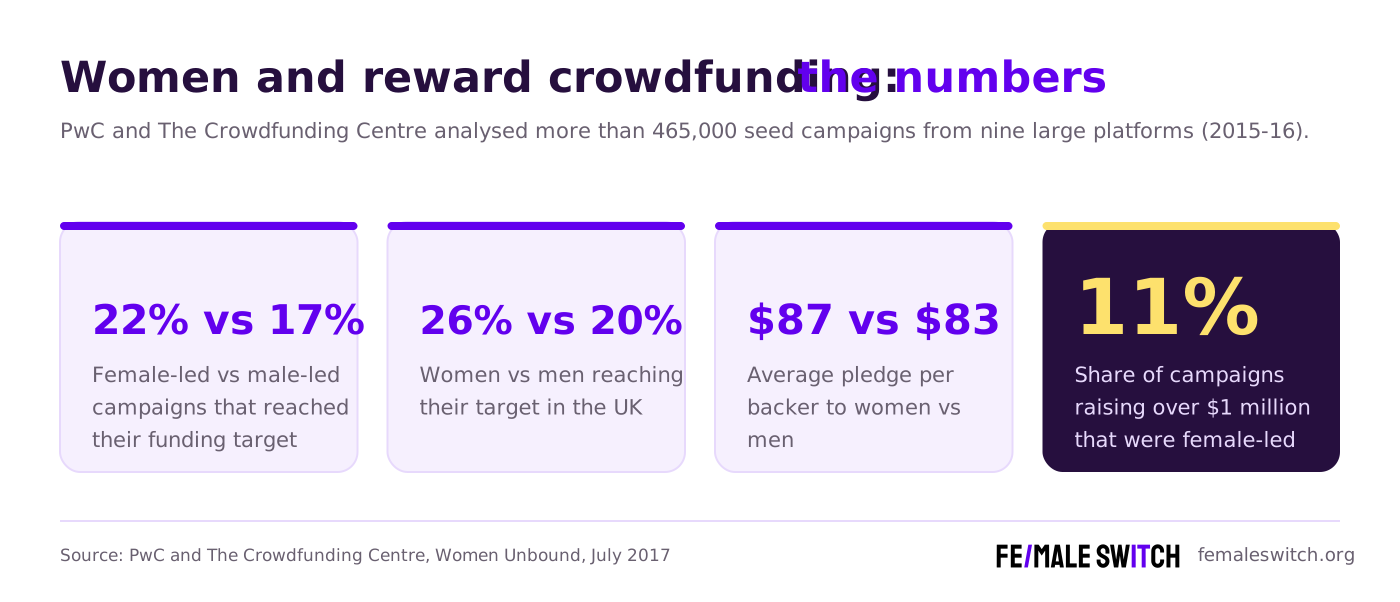
The largest study on gender is Women Unbound by PwC and The Crowdfunding Centre. They analysed more than 465,000 seed campaigns from nine of the largest platforms in 2015 and 2016 ("seed crowdfunding" here means reward campaigns that fund a new business, product or service):
- 22% of female-led campaigns reached their target, against 17% of male-led ones, which PwC calls 32% more successful.
- In the UK, 26% of women hit their goal against 20% of men.
- Backers pledged $87 on average to women and $83 to men.
- In technology, where men ran nine campaigns for every one led by a woman, women succeeded 13% of the time against 10%.
- The catch: 89% of campaigns raising more than $1 million were male-led. Men set higher targets.
I found no newer study of that size, and it matches what I see in our community: women win a crowd's trust faster than a funding committee's. Women-founded startups got 11% of European VC, as our report on the falling share of VC for women-founded startups and our gender gap in startup funding statistics show. My advice: ask for what your project really costs, then use the planner to prove your crowd can carry it.
Two more terms. All-or-nothing pays out only if you reach your goal; otherwise backers get refunds and you pay no platform fee. Keep-it-all (flexible funding) pays out whatever you raise, and you still owe every reward.
Which crowdfunding platforms fit women-led and community projects?
Sources: platform fee and help pages, checked 2 Nov 2026.
Which crowdfunding sites work for community and local projects?
These four serve a street, a town or a cause, and three of them bring partners who add money to yours.
1. Crowdfunder UK: community projects with match funding from partners
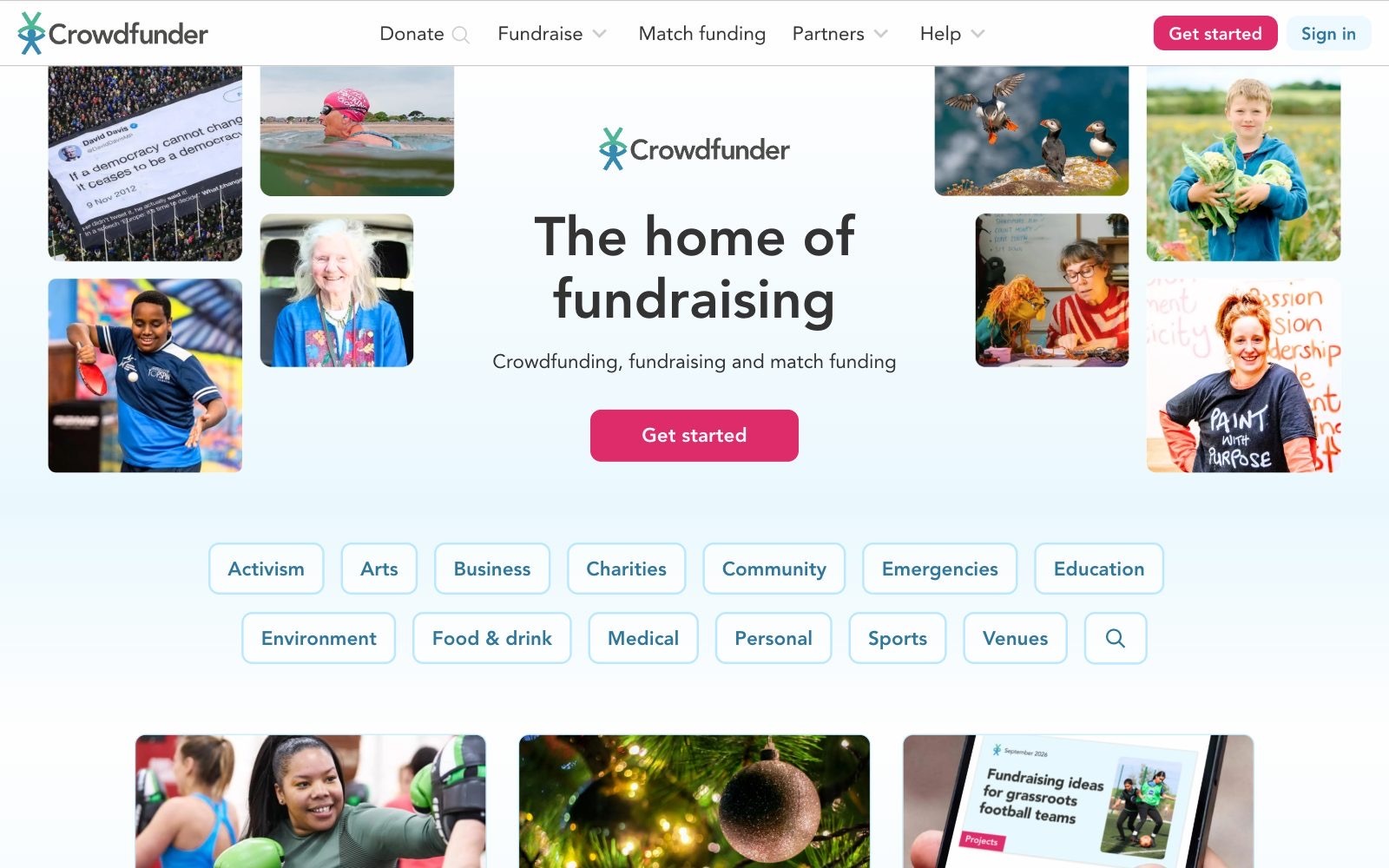
Crowdfunder UK is where I send British community groups first, because not-for-profit community projects, social enterprises and sports clubs pay a 0% platform fee. Co-founded by Dawn Bebe, today its co-CEO, it lists £10 million of match funding from partners. You choose All or Nothing or Keep What You Raise when you set your target.
- Fees as published: 0% for community projects, 5% for for-profit businesses, plus 2.9% + 30p per pledge and 20% VAT on fees. From a £10 pledge a community project keeps £9.29.
- Who it suits: UK community groups, CICs, social enterprises and local businesses.
- Community angle: Community share offers pay 3% on the first £300,000, so a co-op shop can sell shares to its neighbours.
2. Spacehive: civic projects backed by councils and funds
Spacehive crowdfunds playgrounds, street markets and city farms across the UK and Ireland. It reports over £42 million raised, says 85% of projects hit their target and that 65% of creators are crowdfunding for the first time. Partners include the Mayor of London, Birmingham City Council and Arts Council England.
- Fees as published: 7.5% + VAT of your target, added to the target, plus Stripe fees of about 2.9%, only if you succeed.
- Who it suits: Women running a community space, a festival or a local sports project.
- Community angle: You pitch to partner funds, which watch your crowd before pledging alongside it.
3. Voor je Buurt: Dutch and Belgian neighbourhood initiatives
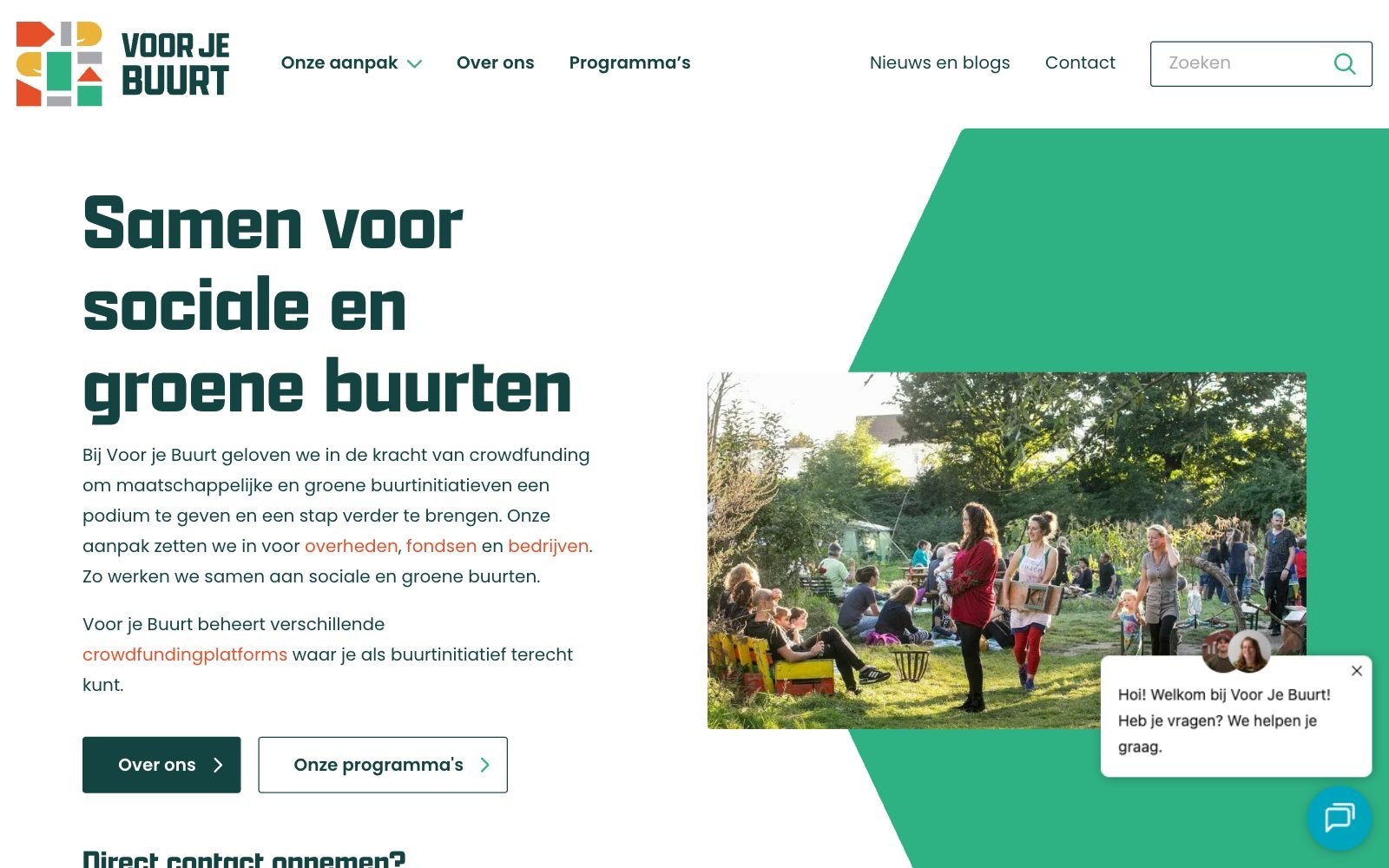
Voor je Buurt, based in Utrecht, crowdfunds social and green neighbourhood ideas, and you don't need an association or foundation to start. It reports 3,183 completed campaigns and €13,538,997 raised, with 91% of campaigns successful over the past five years. Every initiator gets a coach. It is merging with GoodUp, another Dutch platform for social initiatives.
- Fees as published: 5% of the amount raised on success, nothing otherwise; listing and coaching are free.
- Who it suits: Projects that benefit the neighbourhood more than the founder's own pocket.
- Community angle: At 80% to 99% of target you can offer donors a smaller plan instead of refunding everyone.
4. Startnext: German crowdfunding with a feminist focus month
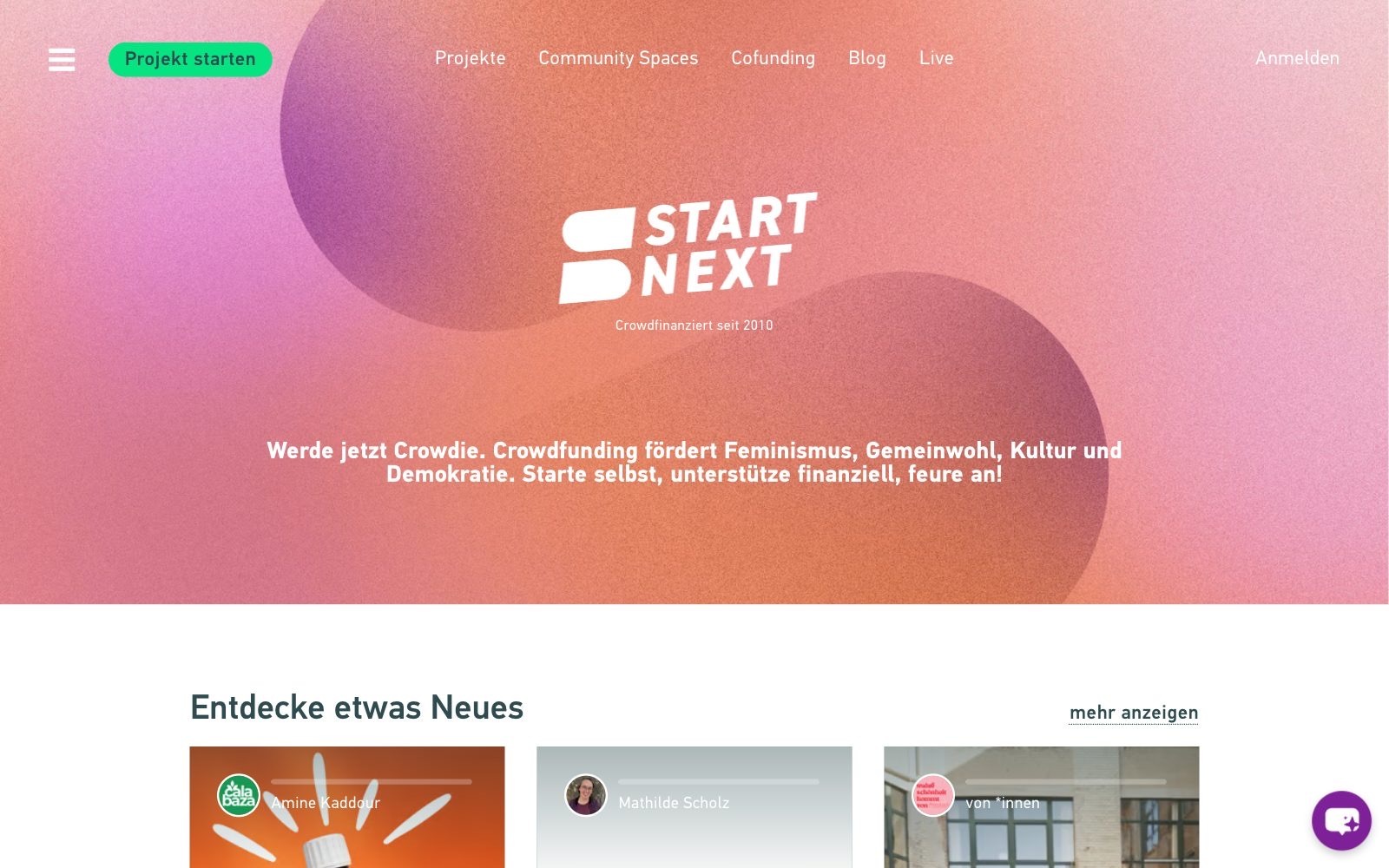
Startnext, founded in 2010 and owned by its founders, is a B Corp reporting €167,243,548 raised and 19,114 successful projects. Its spring 2026 "Feministische Revolution" month gave feminist projects at least 35% off the commission on Pro and Premium, and featured Home in Exile, a house run by refugee women, at €148,199 and The Female Company's organic tampons at €40,759 (203%).
- Fees as published: 5% on Basis for classic crowdfunding (4% for non-profit fundraising), 11% on Pro, 14% on Premium, plus payment fees (about 3.5% net) and VAT, only on success.
- Who it suits: German-speaking founders with a product, a creative project or a cause.
- Community angle: Startnext advises pledges between €25 and €75, a good benchmark for your reward tiers.
Which crowdfunding platforms suit creative work and first products?
Books, records, games, clothing and first product batches get pre-sold here.
5. Ulule: French pre-orders and rewards, now home to KissKissBankBank projects
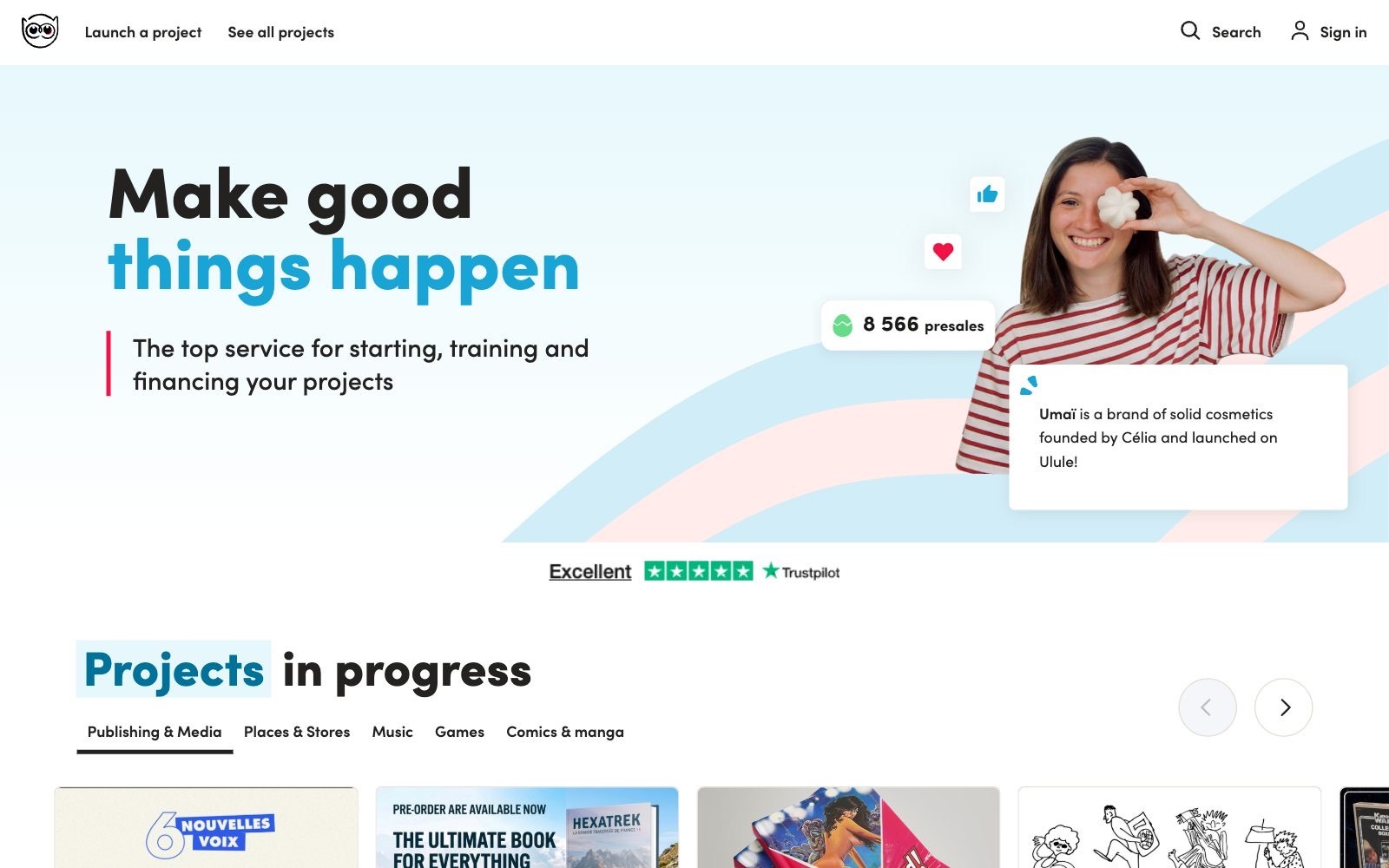
Ulule is a French B Corp founded in 2010 that runs reward, pre-order, donation and subscription campaigns with coaching. KissKissBankBank no longer takes new campaigns: Ulule bought it from La Banque Postale at the end of 2024, and since 20 December 2024 new KissKissBankBank projects go to Ulule. Together they report 80,000 projects and €480 million raised.
- Fees as published: 8% including VAT for an individual in France paying by card, under €100,000, transaction costs included. Reward campaigns pay only on success; backers pay their own service fee.
- Who it suits: Founders living in a euro, sterling, Swiss franc or North American dollar country.
- Community angle: The Ulule team helps shape your campaign before launch, which first-timers need most.
6. Verkami: Spanish creative and cultural campaigns
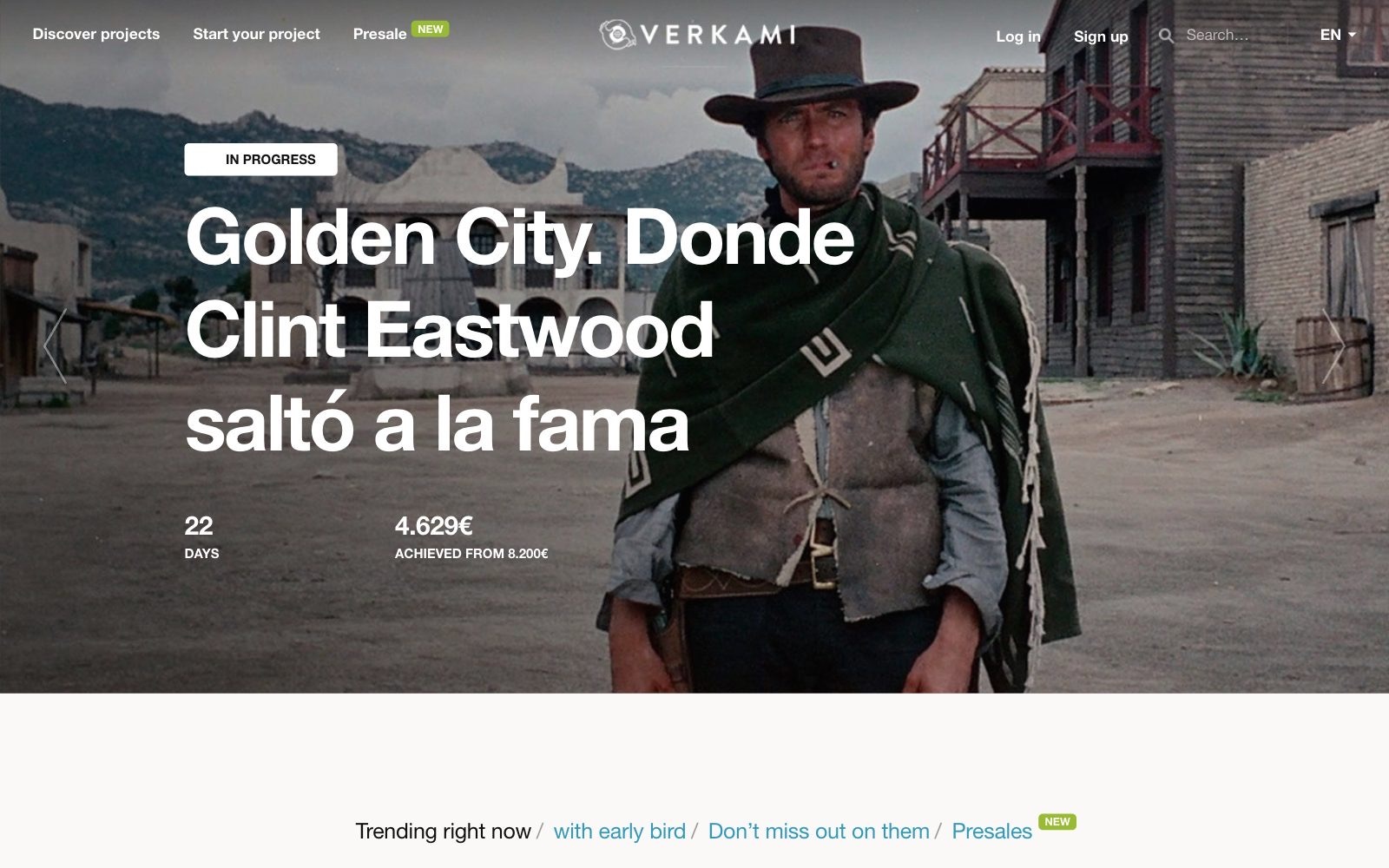
Verkami runs reward crowdfunding for music, books, comics, games, design, food and "projects with a positive impact, cooperative and community". Its fee maths is the clearest I found: multiply what you need by 1.086, so €3,000 needed means a €3,258 goal.
- Fees as published: 6.5% + VAT all included (5% service, 1.5% payments, 21% VAT); projects under €1,000 pay a flat €65 + VAT.
- Who it suits: Writers, illustrators, musicians and makers in Spain.
- Community angle: All-or-nothing, with advice from a team that knows the cultural sector.
7. Kickstarter: the global stage for creative products
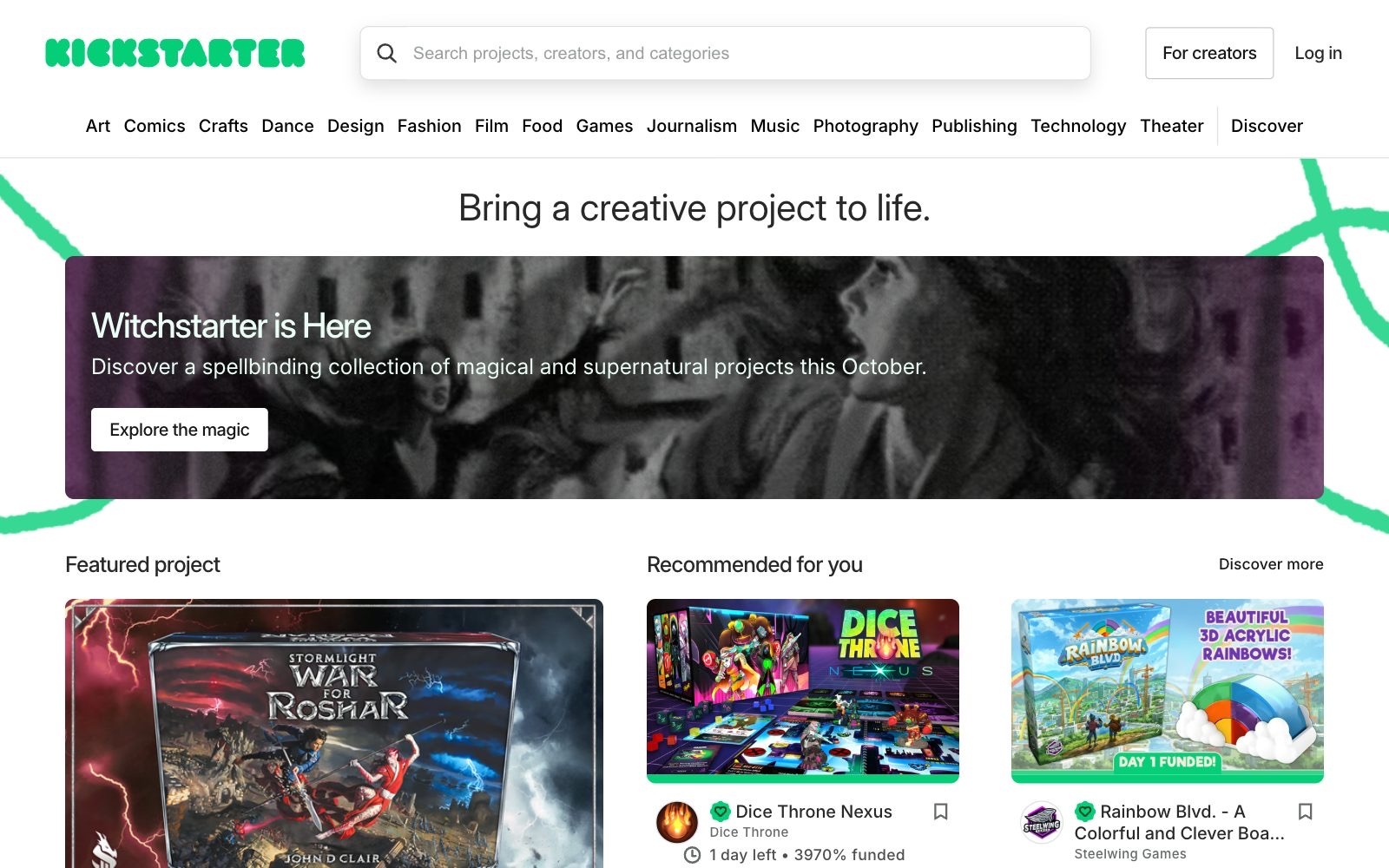
Kickstarter's fee page lists 17 European countries, including Belgium, France, Germany, Ireland, Italy, the Netherlands, Poland, Spain and the UK. It brings international backers that local platforms lack, and your first wave still comes from your own list.
- Fees as published: 5% plus payment processing of 3% to 5%; in the Netherlands, 3% + €0.30 per pledge.
- Who it suits: Product designers, game makers and artists with buyers in many countries.
- Community angle: All-or-nothing, so no fees if you miss.
8. iFundWomen: US-based crowdfunding and coaching for women
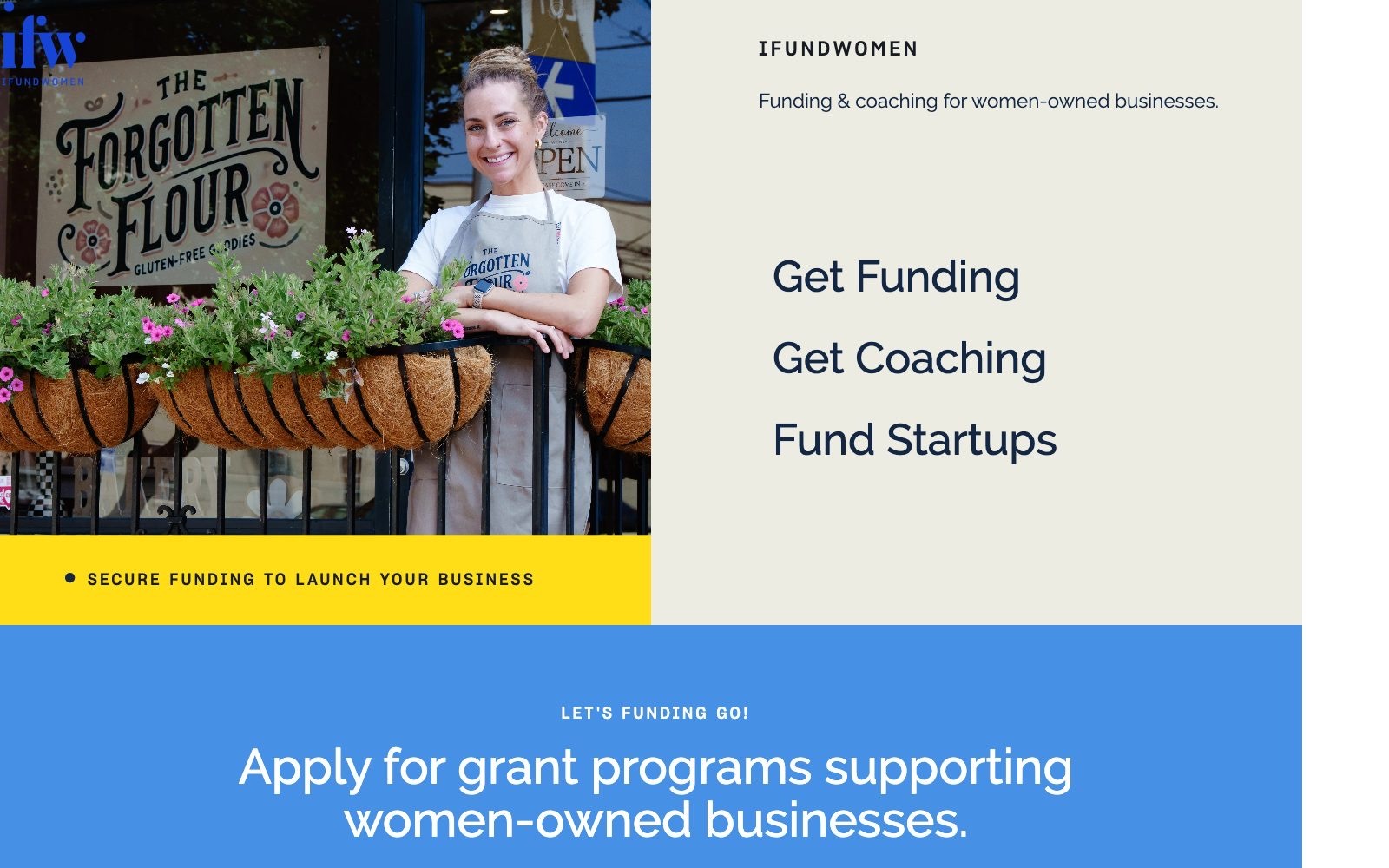
I looked for a women-only crowdfunding platform that takes campaigns in Europe and found none operating today. iFundWomen is the best-known women-focused option, and it is based in the US. It pairs campaigns with a free crowdfunding e-course and paid coaching.
- Fees as published: 5% plus payment processor fees, typically 3% to 5%, on flexible funding campaigns; its terms say fees may vary by location.
- Who it suits: Women founders selling to US customers, or anyone who wants the free e-course first.
- Community angle: Coaching costs $349 a month, workshops $9 a month.
What about loans and equity crowdfunding platforms?
Loans and shares bring obligations: interest to repay or co-owners to answer to. In the EU, ECSP (European Crowdfunding Service Provider) is the licence under Regulation (EU) 2020/1503 for platforms that broker business loans or securities, for offers up to €5,000,000 per project owner over 12 months. Inexperienced investors get a four-day reflection period.
9. MiiMOSA: rewards and loans for farming and food projects
MiiMOSA finances farming and food projects in France and Belgium and reports 8,000 projects financed in 11 years, for amounts from €1,500 to €2 million. Its homepage features Sylvaine Roustain, who raised €15,000 from 138 people for an organic wine cellar.
- Fees as published: not published; you get a quote per project.
- Who it suits: Women farmers, food artisans and rural cooperatives.
- Community angle: Your market customers become backers first, then lenders when you grow.
10. Crowdcube: equity crowdfunding for women-led companies that sell shares
Crowdcube reports £1.5 billion invested and 1,600+ businesses funded, and says it delivered 28 of Europe's 30 largest equity crowdfunding rounds. It is authorised by the FCA in the UK, and Crowdcube Europe S.L. by Spain's CNMV. Investors hold shares through a nominee structure: Crowdcube holds them on their behalf, so your cap table stays clean. You set a pre-money valuation, the value of your company before the new money arrives, which decides how much of it each euro buys.
- Fees as published: company fee not published (Crowdcube says smaller raises pay less); investors pay typically 2.49%.
- Who it suits: Women-led consumer brands with revenue and loyal customers.
- Community angle: You open to your own network in a private launch before going public.
A note on Kiva: its 0% interest loans of $1,000 to $15,000 require that you live and run your business in the United States.
How does match funding work, and who tops up your campaign?
Match funding means a council, foundation or company adds money to what your crowd gives, £1 for every £1 or a fixed top-up. For community projects it is the cheapest money in this guide:
- Crowdfunder UK lists the Communities Fund (£25,000 extra) and Sport England's Movement Fund (£15,000). Charities, not-for-profits, CICs, community projects and sports clubs can apply, and reward projects can ask for a top-up. The match funding fee is 0% to 5%.
- Spacehive connects you with councils, companies and foundations that pledge once you are live.
- Voor je Buurt passes your campaign to partners: VSBfonds adds up to €2,500 and the municipality of Delft up to €2,000, and you can receive from more than one. It reports €2,220,722 of matchfunding so far.
- Goteo, the Spanish civic crowdfunding foundation, matched donors €1 for €1 with public partners, according to a 2019 El Salto article. Its site blocked my checks today, so confirm its current terms.
Match funds back campaigns that already show a crowd. For grants to stack with a campaign, see our guide to grants for women entrepreneurs in Europe and the foundation's page on non-dilutive funding.
How do you fill the first week from your community?
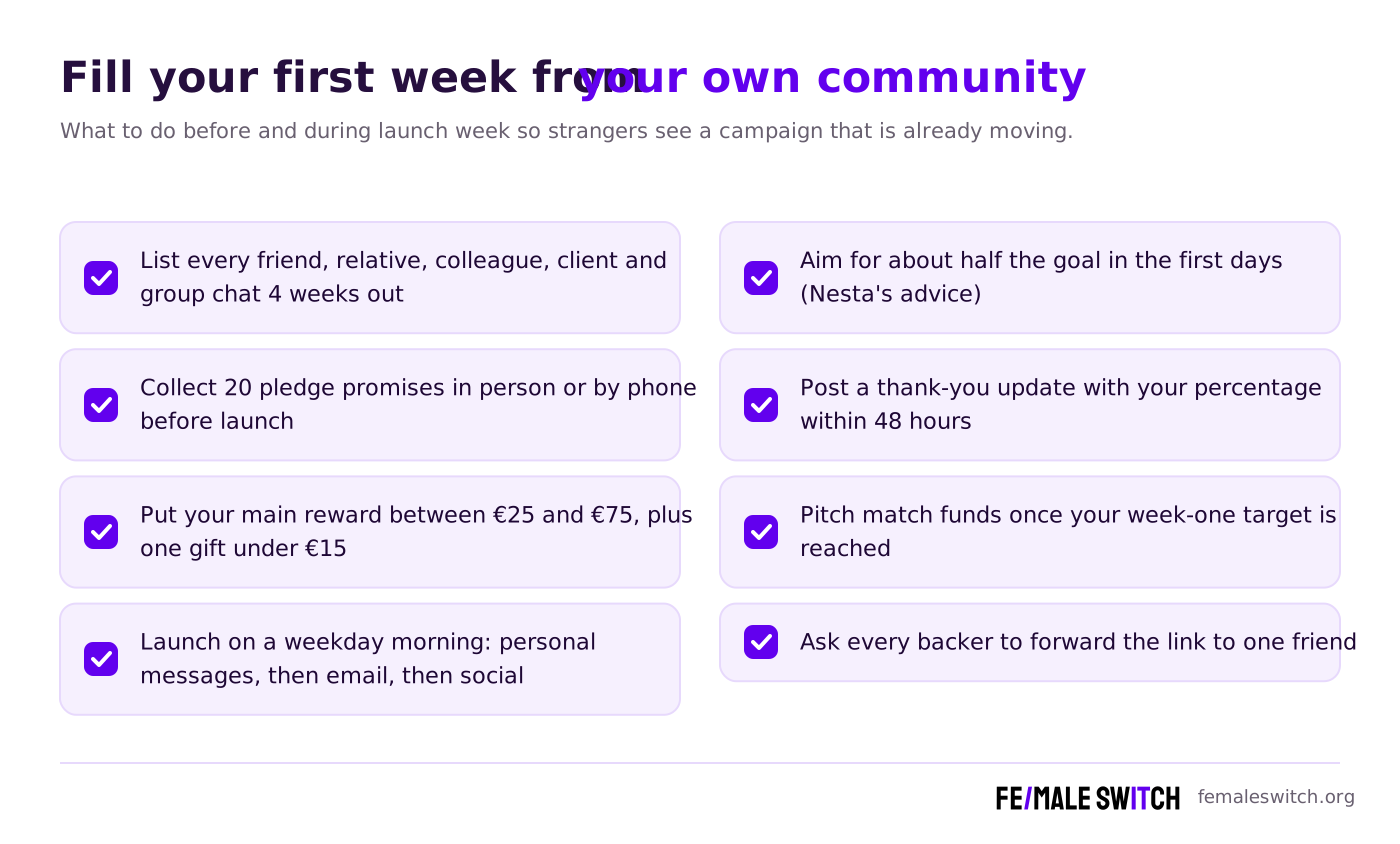
Strangers back campaigns that already look alive. Nesta, the UK foundation, advises getting friends, family and your inner circle to pledge in the first days so the campaign moves towards 50 per cent. You will read about a "30% rule" on many blogs; none of the platforms I checked states it, so the planner lets you set your own week-one share.
My plan for women in our community:
- Build your list four weeks before launch. Every friend, relative, colleague, client, neighbour and group chat, in a sheet with a "promised to pledge" column.
- Collect 20 pledge promises in person or by phone. A promise made in a conversation turns into a pledge in hour one.
- Price rewards around your crowd. Put your main reward between €25 and €75 and one gift below €15.
- Launch on a weekday morning. Personal messages first, then the group email, then social posts.
- Post a thank-you update within 48 hours with your percentage.
- Pitch match funds once you pass your week-one target.
- Ask every backer to forward one message. Your second circle is their first circle.
Our guides on growing your first 100 true fans, growing your first 1,000 email subscribers and communities for female entrepreneurs help you build that list. Our post on crowdfunding strategies for female-founded products covers the campaign page and video.
What should your launch message and first backer update say?
Copy these, fill in the brackets and send them yourself.
Launch message (send to 20 to 50 people one by one):
Hi [name], today I'm launching my crowdfunding campaign for [project] on [platform]. It [one sentence on what it is and who it helps]. I need [goal] by [date], and the first 48 hours decide whether strangers trust it. Would you back it today? Rewards start at [price]: [link]. If you can't pledge, forwarding this to one person who'd care helps just as much. Thank you, [your name]
First backer update (day 2 or 3):
We're at [X]% after [N] days, thanks to [number] of you. [Name], [name] and [name] were first in, thank you! At 50% we [concrete step, e.g. order the first 200 copies]. Next goal: [target] by [day]. One ask: send the link to one friend who would love [project]. [your name]
Email to a match fund or local partner (after week one):
Hello [name], our campaign for [project] in [town] has raised [amount] ([X]% of [goal]) from [number] local backers in [N] days. It will [benefit in one sentence]. We'd like to apply for [fund name]; budget and timeline are on the page: [link]. Could we talk this week? [your name, phone]
For the campaign page, reuse what customers told you in your idea validation interviews and in testing demand before building.
What happens if your campaign fails?
A failed all-or-nothing campaign costs no platform fee on Ulule, Verkami, Kickstarter, Startnext or Voor je Buurt, and backers get refunds. You keep the list of everyone who said yes. Next:
- Read the numbers before the feelings. Low traffic means the list was too small; high traffic with few pledges means the offer or price missed.
- Thank every backer personally and tell them what comes next.
- Ask five non-backers why they didn't pledge. Free market research.
- Cut the goal to the first useful step and relaunch within two to three months.
- Pre-sell directly if people wanted the product and only the timing failed. See our alternative funding sources for women-led businesses and how to pivot when your first idea doesn't work.
Practise your campaign before your savings are on the line. In the Fe/male Switch startup game you build a startup step by step: test the idea, set a price, plan your first customers and make your mistakes in the game first. Take our free entrepreneurial mindset test to see where you need support, and read how to bootstrap as a female founder.
Where should you start this week?
Pick a platform by asking where your crowd lives and whether your project serves a community or sells a product. A neighbourhood café in Utrecht goes to Voor je Buurt, a community garden in Leeds to Crowdfunder UK or Spacehive, a debut novel in Barcelona to Verkami, a first product batch in Lyon to Ulule.
Then open the planner. If your network can't reach the week-one target, spend four weeks growing the list with our guides on getting your first 10 customers without paid ads and pricing your product. The research says you start with better odds than the men next to you, so walk in with your crowd already counted.
FAQ: crowdfunding platforms
Which crowdfunding platform is best for a community project in Europe?
In the UK, Crowdfunder UK charges not-for-profit community projects a 0% platform fee and Spacehive brings council funds. In the Netherlands and Belgium, Voor je Buurt charges 5% on success and reports 91% success over five years.
Is there a crowdfunding platform only for women in Europe?
I found none taking campaigns in November 2026. iFundWomen is women-focused and US-based, and Startnext ran a feminist focus month in spring 2026.
Do women have better success rates in crowdfunding?
In reward campaigns, yes. PwC and The Crowdfunding Centre found 22% of female-led campaigns reached their target against 17% of male-led ones, across more than 465,000 campaigns.
How much do crowdfunding sites charge?
From a 0% platform fee (Crowdfunder UK community projects) to 14% (Startnext Premium), plus payment fees and VAT.
What is the difference between all-or-nothing and keep-it-all?
All-or-nothing pays out only if you reach your goal. Keep-it-all pays out whatever you raise, and you still owe every reward.
What is match funding in crowdfunding?
A council, foundation or company adds money to what your crowd gives. VSBfonds adds up to €2,500 on Voor je Buurt; Crowdfunder UK's Communities Fund lists £25,000.
Is crowdfunding for startups better than equity investment?
For a first product, reward crowdfunding keeps all your shares and tests demand. Equity crowdfunding platforms like Crowdcube suit companies with revenue that are ready to share ownership.
