
TL;DR: what does a low cost business really cost to start?
Less than you fear, but more than "€0". A Vinted reselling business can start for about £10 in the first year, tutoring for about £41 and a virtual assistant business for about £72, while bookkeeping needs at least £611 because of compulsory anti-money-laundering supervision. Below are line-by-line first-year budgets for 10 low cost businesses, built from official 2026 prices, the shared costs in the UK and EU, and how to cut each budget before you spend.
👉 Plan your budget step by step in the Fe/male Switch startup game
"Start a business for under €100" sounds great until you discover the insurance, the background check, the registration fee and the software subscriptions. As a founder who has bootstrapped more than once, I've learned that the best protection is a line-by-line budget before you spend anything.
So instead of another list of cheap business ideas, here's what ten low cost businesses actually cost in their first year, item by item, using official prices checked in October 2026. For a comparison of 22 low cost businesses with cost ranges, time to first revenue and AI risk, see our sister guide to the best low cost business to start. If you want an online business you can run with free AI tools, see our low cost business ideas with AI. For businesses with almost no running costs at all, see these low cost digital product business ideas.
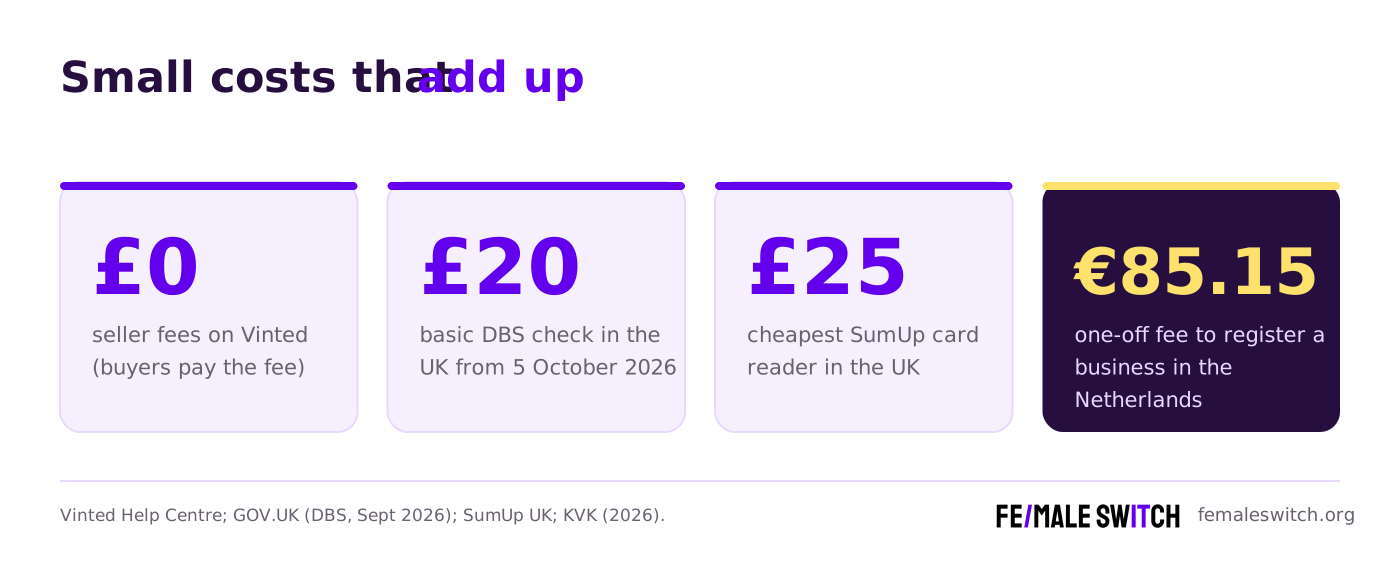
A low cost business isn't one that costs nothing. It's one where you know every euro before you spend it.
The costs almost every small business pays
Sources: GOV.UK, KVK, Berlin service portal, Google Workspace, Squarespace, Shopify, SumUp, IONOS and Simply Business, prices seen in October 2026, excluding VAT where stated by the vendor. Prices change; check before you buy.
Two things stand out. First, monthly plans cost noticeably more than annual ones: Google charges £7 a month on its flexible plan versus £5.90 on the annual plan. Second, many of these costs are optional in month one. You need registration, insurance where clients or the public are involved, and a way to get paid. A website can wait.
First-year budgets for 10 low cost businesses
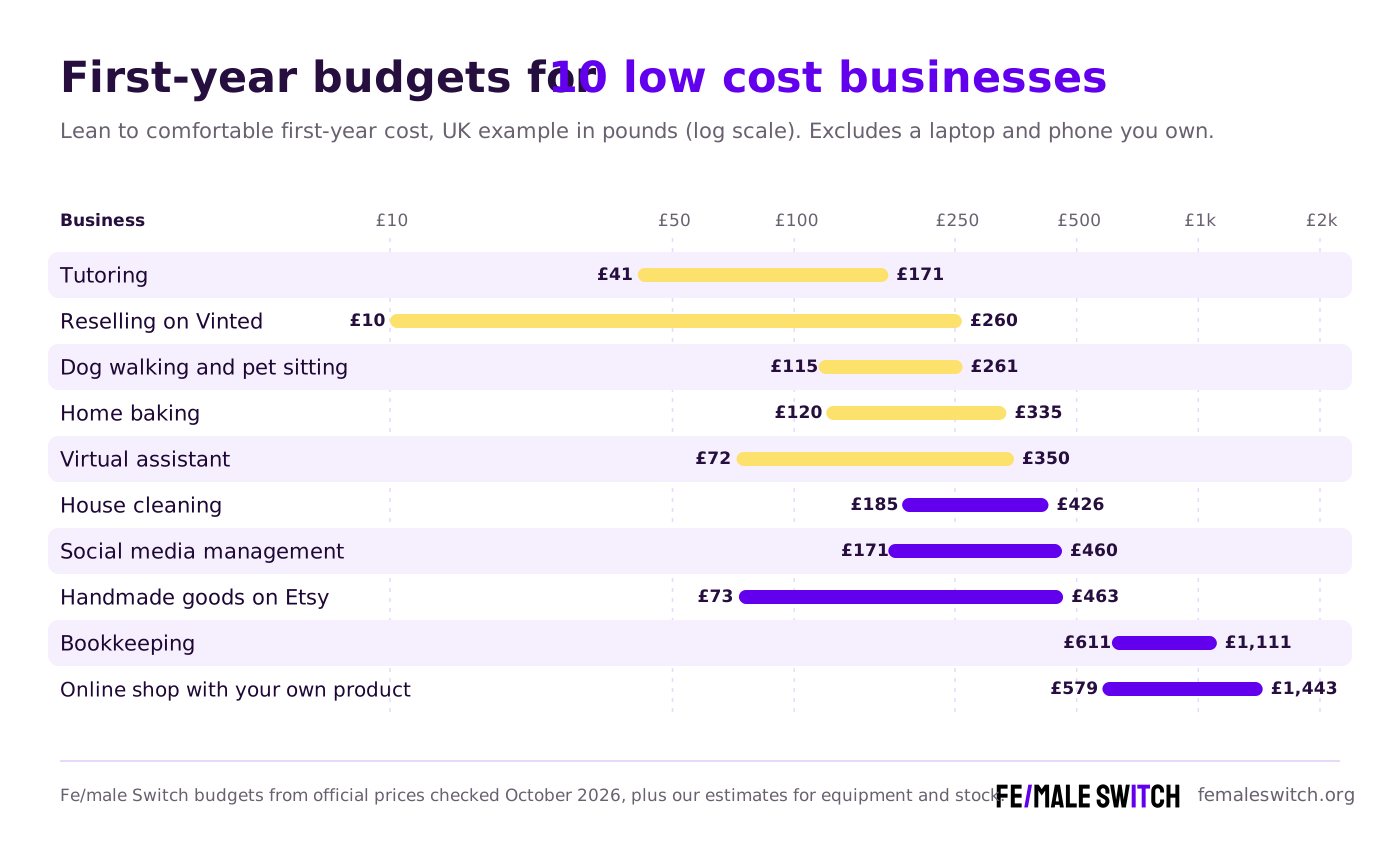
UK example. "Lean" uses only what you can't avoid; "comfortable" adds tools and marketing that save time. Excludes a laptop and phone you already own.
1. Virtual assistant: £72–£350 in year one
Admin, email and scheduling support for busy founders and small firms, done online.
How to cut it: Start with a LinkedIn profile and a one-page offer instead of a website; add the site once you have three clients.
2. Bookkeeping: £611–£1,111 in year one
Monthly records, invoicing and payroll for sole traders and micro-businesses.
How to cut it: Supervision through a professional body such as the ICB can replace HMRC supervision; compare their fees and what's included. The largest cost is HMRC supervision: £400 per premises each year plus a £40 approval check.
3. Tutoring: £41–£171 in year one
One-to-one lessons in a school subject, music or a language, at home or online.
How to cut it: Use school noticeboards, parents' groups and free listings before paying for flyers or platform fees. The enhanced DBS check fell to £41 from 5 October 2026, and the basic check to £20, according to GOV.UK.
4. Dog walking and pet sitting: £115–£261 in year one
Walks, home visits and sitting for local pet owners.
How to cut it: Home boarding of dogs in England also needs a council licence; the fee is set by each council.
5. House cleaning: £185–£426 in year one
Regular or one-off cleaning for homes and small offices.
How to cut it: Start with clients' own products and equipment where they're happy for you to use them. If clients want to pay by card, a SumUp card reader costs from £25.
6. Home baking: £120–£335 in year one
Celebration cakes, bread or bakes sold from your home kitchen.
How to cut it: Take pre-orders before buying equipment, and price in ingredients, packaging and your time.
7. Reselling on Vinted: £10–£260 in year one
Selling second-hand clothes, children's items and vintage pieces online.
How to cut it: Start with what's already in your wardrobe; platforms report sellers with 30+ sales or €2,000+ a year to tax authorities. Vinted charges sellers nothing; the buyer pays the platform fee.
8. Handmade goods on Etsy: £73–£463 in year one
Crafts, jewellery or prints sold online and at markets.
How to cut it: Etsy also takes 6.5% per sale plus payment processing, so build fees into your prices.
9. Social media management: £171–£460 in year one
Planning, creating and scheduling posts for small businesses.
How to cut it: Free plans of scheduling tools are enough for your first two or three clients.
More free tools are listed in our guide to essential free startup tools.
10. Online shop with your own product: £579–£1,443 in year one
A small product line sold through your own online shop.
How to cut it: Pre-sell on social media or a free marketplace first, and open a Shopify store only once a product sells. Shopify Basic costs £19 a month on the annual plan, plus 2% + 25p per online card payment.
What registering a small business costs in Europe
Registration is one of the smallest costs, but it varies. In the Netherlands the one-off KVK registration fee is €85.15. In Berlin a trade registration costs €15 online or €26 at the office, and freelancers in the liberal professions don't need one at all, according to the Berlin service portal; Munich charges €50–60. France's micro-entrepreneur registration is free. If you want limited liability from the start, our 90-day plan to start a startup compares company registration costs across six European countries.
How to start a business on an even smaller budget
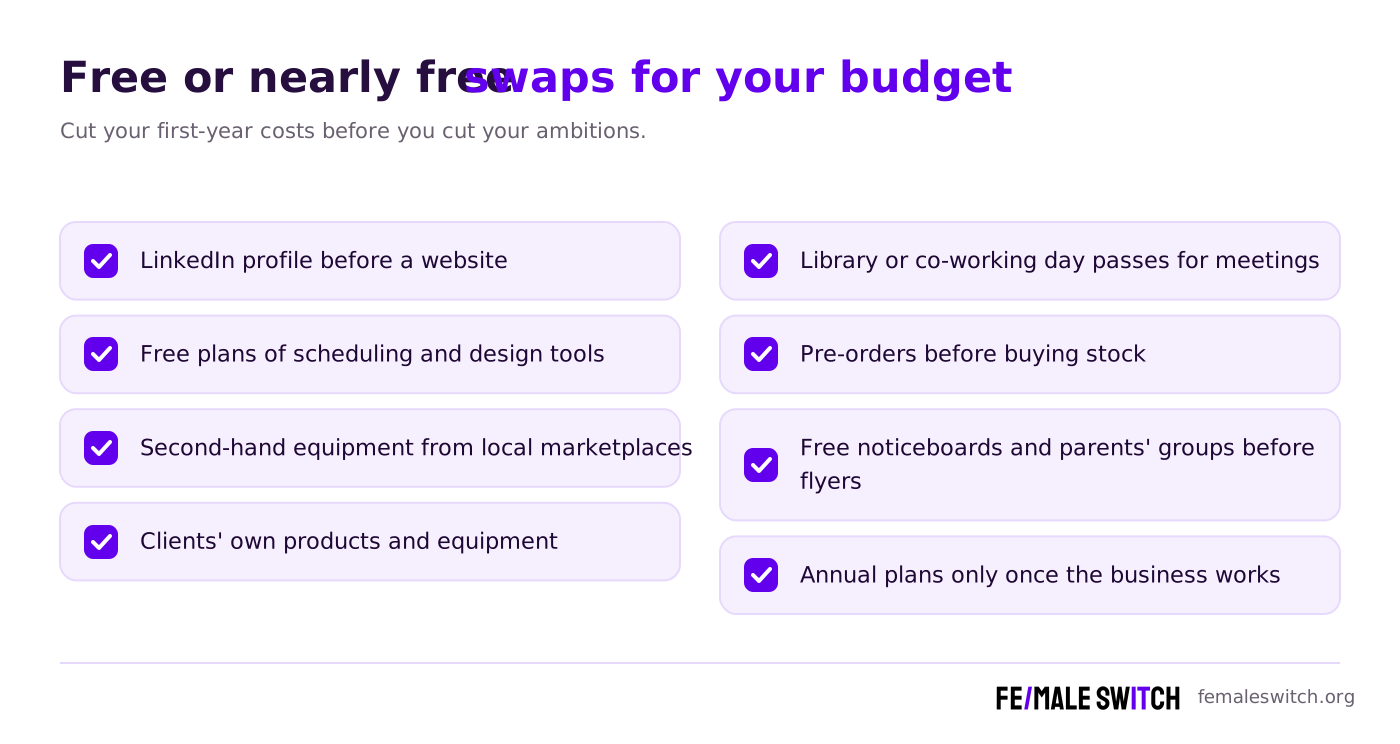
- Sell before you spend. Pre-orders and deposits fund stock and equipment.
- Market for free first. Read zero-budget marketing strategies and zero-budget market research before paying for ads or flyers.
- Pay monthly until it works, then switch to annual plans to save money.
- Track every cost from day one; our guide to financial management for non-finance founders shows a simple system.
Need a little capital? Small grants and microloans can cover equipment or insurance; see grants for female entrepreneurs in Europe and the free grant finder at grant-grants.com.
Build your budget with an AI co-founder
In the Fe/male Switch startup game you plan your costs, prices and first customers in weekly quests, with an AI co-founder and a community of founders who bootstrap.
👉 Start your low cost business in the game
Conclusion: know your number before you start
The cheapest businesses to start in 2026 still have real costs: insurance, checks, registration and a few tools. The good news is that most of them fit in a few hundred pounds or euros for the first year, and many can wait until the first client pays. Pick the business that fits your skills, copy its budget table, cross out everything you can postpone, and start with the rest. For ideas that fit around family life, see our small business ideas from home for parents.
FAQ: low cost business to start
What is the cheapest business to start?
Reselling items you already own on a platform like Vinted, which charges sellers nothing, can start for about £10 in packaging. Tutoring, virtual assistance and freelance writing also start for well under £100 if you already have a laptop.
How much money do I need to start a small business?
For most service businesses, between about £50 and £500 in the first year, covering insurance, checks, registration and basic tools. Product businesses need more for stock, often £500 to £1,500.
Is it free to register a business?
Registering as a sole trader with HMRC in the UK and as a micro-entrepreneur in France is free. Registering in the Netherlands costs €85.15 once, and a trade registration in Berlin costs €15 online; freelancers in Germany don't need one.
Do I need insurance for a small business?
If you work with the public, in people's homes or with their pets, public liability insurance is strongly advised and often expected by clients. In the UK, the cheapest 10% of policies from one large broker cost about £65 a year in 2026.
How much is a DBS check in 2026?
From 5 October 2026, a basic DBS check costs £20 and an enhanced check £41 in England and Wales, according to GOV.UK. Umbrella bodies may add an admin fee.
Why does bookkeeping cost more to start?
In the UK, bookkeepers must be supervised for anti-money-laundering purposes. HMRC charges £400 per premises each year plus £40 per approval check; professional bodies offer alternatives.
Do I need a website to start a business?
Not at first. A LinkedIn profile, a marketplace listing or a one-page document is enough for your first clients. A basic website costs about £12 a month on an annual plan when you're ready.
Should I pay monthly or annually for business software?
Monthly while you’re testing the business, then switch to annual plans once it works. In the examples above, annual plans were about 15–30% cheaper.
