
TL;DR: which hobbies make good business ideas?
Hobbies where people already pay for the result or the teaching: photography, baking, fitness, yoga, music lessons, sewing, gardening, writing, crafts, dog training, languages and gaming. Prices are real, from £21 for a group dog training class to about £1,484 for a wedding photographer, but some hobbies pay far less than you'd hope, so test before you quit anything. In the UK, the first £1,000 of trading income a year is tax-free; above that, or once you trade regularly for profit, it's a business. Below: 12 hobbies with prices, rules and a first step each.
👉 Turn your hobby into a business plan in the Fe/male Switch startup game
The best business ideas often start with something you already love doing. You know the craft, you know the community, and you'd do the work even on a bad day. The hard part is knowing which hobbies people will actually pay for, what they pay, and when your hobby becomes a business in the eyes of the tax office.
This guide answers those questions for 12 popular hobbies. For a broader list of 100 business ideas and how to find yours, see our sister guide to business ideas.
Your hobby becomes a business the day a stranger pays you for it, and again the day you decide to make it pay properly.
Which hobbies pay the most?
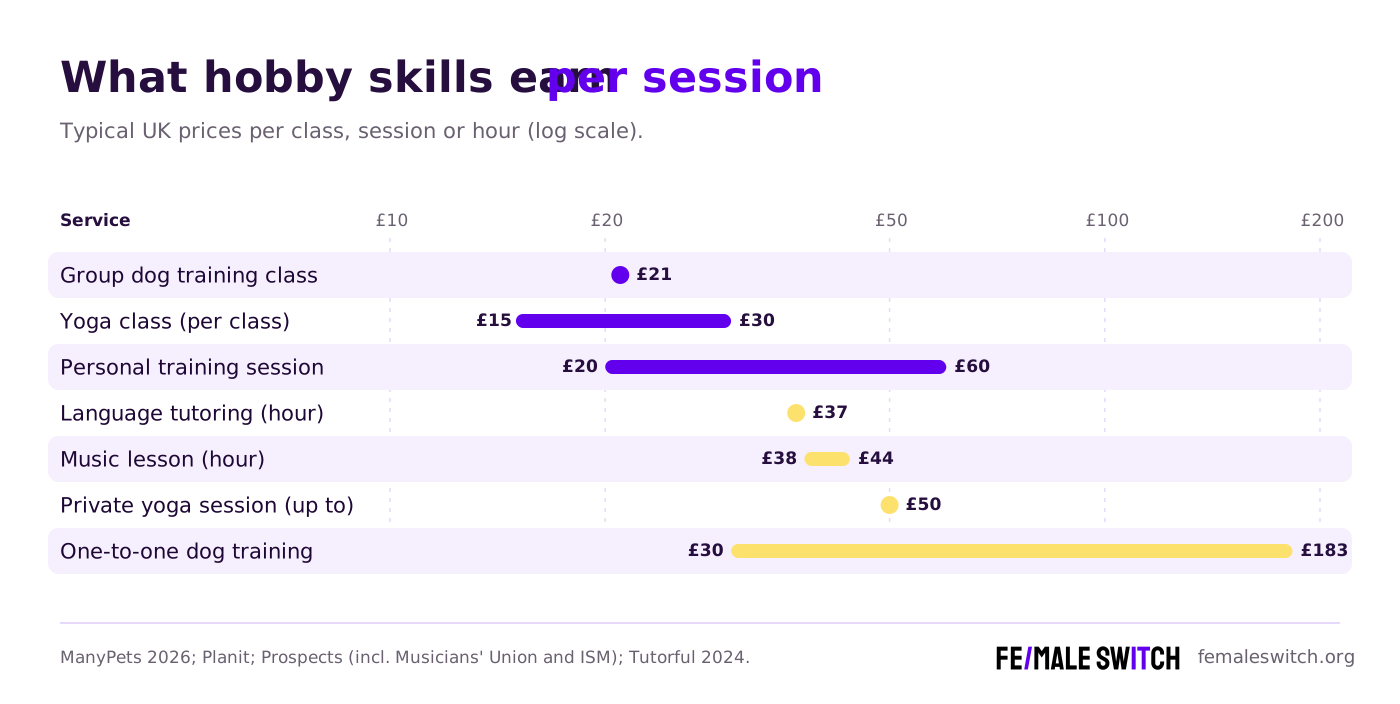
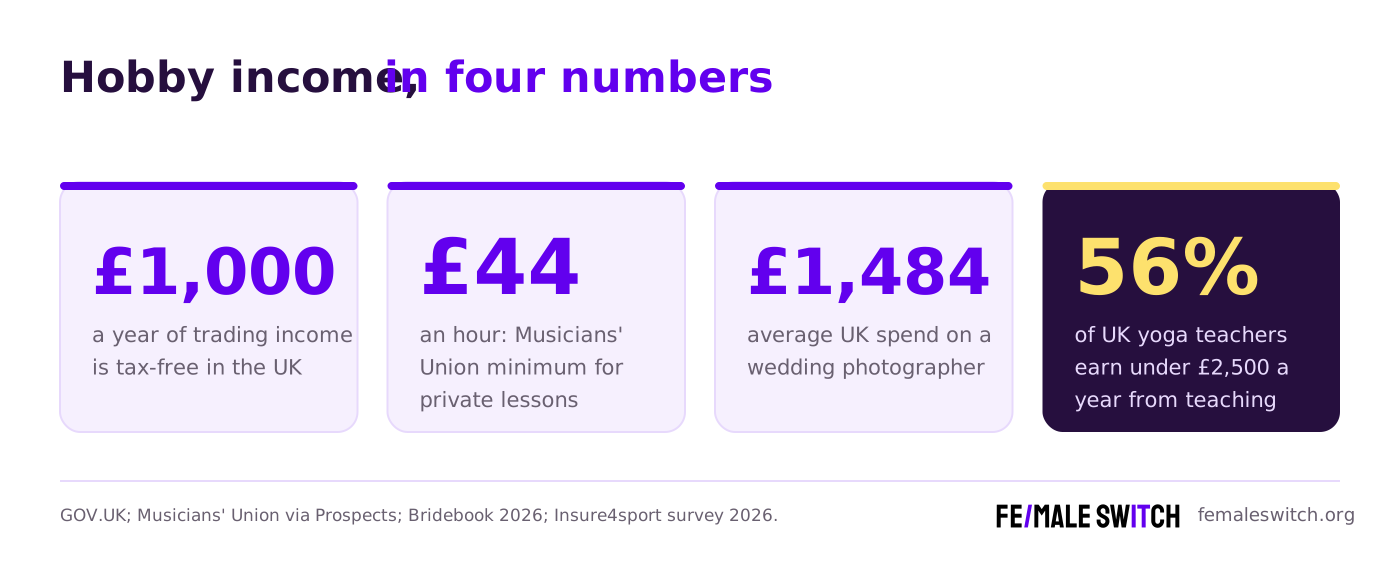
Teaching and services generally pay more reliably than selling products you make, because you're paid for your time and expertise rather than competing on price with factories. Specialist services, such as one-to-one dog training or wedding photography, pay the most per job. Hobbies that many people share, like yoga, can pay surprisingly little: in a 2026 UK survey, 56% of yoga teachers earned under £2,500 a year from teaching.
1. Photography
Photography is one of the most common hobbies people turn into income. Weddings pay the most per job; family, headshot and product shoots fill the calendar in between.
- How it earns: Weddings, families, products and events.
- Typical prices: UK couples spend an average of £1,484 on a wedding photographer, according to Bridebook's 2026 wedding report, with most paying £500–2,500.
- What you need: Insurance for your equipment and public liability, a contract with clients, and a portfolio in one niche.
- First step: Offer three discounted family or product shoots to build a portfolio and reviews.
Source: Bridebook.
2. Baking and celebration cakes
If friends already ask you to bake for their celebrations, you have a market. Custom cakes earn far more than everyday bakes.
- How it earns: Birthday, wedding and custom cakes.
- Typical prices: UK couples spend about £360 on a wedding cake on average, and most spend £250–1,000, according to Bridebook.
- Rules: You must register a home food business with your council before trading in the UK; EU countries also require food business registration, and allergen labelling applies.
- First step: Register, then take orders for three celebration cakes from your network at full price.
For the full rules on food from home, see our small business ideas from home for parents.
3. Personal training and fitness
Fitness enthusiasts can turn their training into coaching, outdoors, in clients' homes or online.
- How it earns: One-to-one sessions, small groups and online plans.
- Typical prices: Self-employed personal trainers in the UK commonly charge £20–60 a session, more in London, according to Prospects.
- What you need: Most gyms and insurers expect a recognised personal training qualification (Level 3 in the UK) and insurance.
- First step: Run a free outdoor group session and convert participants to a paid four-week block.
4. Yoga and Pilates teaching
Many yoga and Pilates practitioners train to teach. It's rewarding, but most teachers earn a modest side income, so plan for that.
- How it earns: Classes, private sessions and retreats.
- Typical prices: Self-employed yoga teachers usually charge £15–30 per class or up to £50 an hour for private sessions, according to Scotland's careers service.
- Reality check: In a 2026 survey of 204 UK teachers by the insurer Insure4sport, yoga teachers earned an average of £5,238 a year from teaching and Pilates teachers £11,238; 56% of yoga teachers earned under £2,500.
- What you need: There's no legal licence, but studios and insurers expect recognised training, such as a 200-hour course, plus insurance.
- First step: Teach a weekly class in a community hall and add private sessions and workshops.
5. Music lessons
If you play an instrument or sing well, teaching is a reliable way to earn from it, and lessons can run online.
- How it earns: Instrument and singing lessons, at home or online.
- Typical prices: The Musicians' Union's recommended minimum for private teaching is £44 an hour for 2025/26, and a survey by the Independent Society of Musicians found a median of £38, according to Prospects.
- What you need: No licence; a DBS check is expected for teaching children in the UK.
- First step: Offer termly packages to five pupils through local schools and parents' groups.
6. Sewing, alterations and dressmaking
Sewing skills are in demand for alterations and repairs, and growing interest in mending and second-hand fashion helps.
- How it earns: Repairs, alterations and made-to-measure.
- Typical prices: UK alterations cost a median of about £30 per job, from about £7 for a trouser hem, according to marketplace data from Airtasker.
- What you need: No licence; a sewing machine you already own and a space to fit clients.
- First step: Partner with a dry cleaner or charity shop to take in alterations.
7. Gardening and garden design
Keen gardeners can sell maintenance, planting plans or full garden designs.
- How it earns: Maintenance, planting and design plans.
- Typical prices: A garden design typically costs £500–2,500 or more in the UK, and a designer with an assistant on site charges about £250–500 a day, according to MyBuilder.
- What you need: Insurance; formal design training helps for larger projects.
- First step: Design one friend's garden at cost for your portfolio.
8. Writing and self-publishing
Writers can self-publish books and guides or write for businesses. Self-publishing platforms make it possible to sell worldwide without a publisher.
- How it earns: Books, guides and paid newsletters.
- Royalties: Amazon KDP pays a 70% royalty on ebooks priced £1.77–12.99 on Amazon.co.uk, minus delivery costs, and 35% outside that range, according to KDP's help pages.
- Reality check: Most self-published books sell few copies; writing for businesses or a niche newsletter is usually a steadier income.
- First step: Publish one short, practical guide in a niche you know and market it to that community.
Source: Amazon KDP royalty rules.
9. Crafts and handmade goods
Crafts sell online, at markets and through workshops; teaching your craft often earns more per hour than selling products.
- How it earns: Jewellery, ceramics, knitting and more.
- Platform fees: Etsy charges $0.20 per listing and 6.5% per sale, plus payment processing.
- Rules: Product safety rules apply to some items, such as toys, cosmetics and candles.
- First step: Price one product to cover materials, fees and your time, and run one paid workshop.
10. Dog training
Dog lovers who've trained their own dogs can train other people's, in groups or one-to-one.
- How it earns: Puppy classes, one-to-one training and behaviour help.
- Typical prices: UK one-to-one dog training sessions averaged £73.60 and group classes about £21 in a January 2026 check of 25 trainers by ManyPets.
- What you need: There's no legal licence requirement in the UK, but recognised courses and insurance build trust.
- First step: Run a puppy class in a hired hall and offer one-to-one follow-ups.
Source: ManyPets.
11. Language teaching
Speaking another language, from your childhood, migration or travel, is a skill many people pay to learn.
- How it earns: Conversation classes, tutoring and exam preparation.
- Typical prices: UK tutors on Tutorful charged an average of £37.45 an hour in 2024.
- What you need: No licence; teaching experience or a short course helps.
- First step: Offer a weekly conversation group online and convert members to private lessons.
12. Gaming and streaming
Gamers can earn from streaming, coaching other players or managing online communities, but income is irregular.
- How it earns: Streaming, coaching and community management.
- How it starts: To join Twitch's Affiliate programme and earn from subscriptions, you need 25 followers and to stream at least four hours on four different days with an average of three viewers, within 30 days.
- Reality check: Few streamers earn a living; coaching, video editing and community management for brands are steadier.
- First step: Stream on a fixed schedule for a month and offer paid coaching to viewers.
Source: Twitch Affiliate requirements.
When does a hobby become a business?
Tax offices look at what you actually do, not what you call it. The rules differ by country:
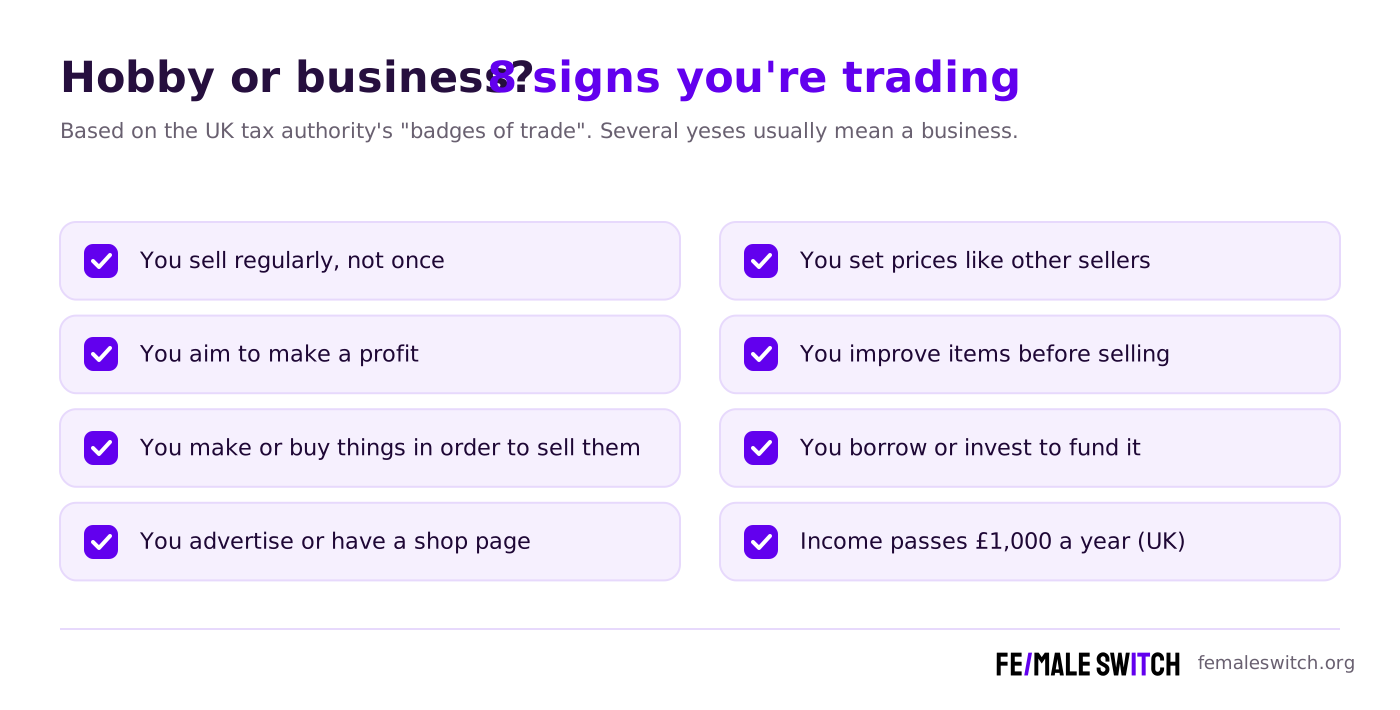
- UK: the first £1,000 of trading income a year is tax-free under the trading allowance; above that you must register for Self Assessment by 5 October after the tax year. HMRC decides whether you're trading using nine "badges of trade", such as a profit motive, how often you sell and whether you make or buy things to sell.
- Germany: an activity run without the intention of making a profit over its lifetime counts as "Liebhaberei" (a hobby): it isn't taxed, but its losses can't be offset against other income either. If you start mainly out of personal interest, a coherent business plan from the start helps show profit intent, according to the Federal Ministry of Finance's tax guidance.
- France: selling your own used belongings isn't taxed, but making or buying items in order to sell them is a professional activity that's taxed and subject to social contributions, according to the Ministry of the Economy. The micro-entrepreneur status, with ceilings of €83,600 for services and €203,100 for goods from 2026, is the simplest way to declare it.
Platforms also report sellers with 30 or more sales or €2,000 or more a year to tax authorities in the EU and UK. For the basics in other countries, read tax essentials for founders in Europe.
How to turn your hobby into a business without losing the joy
- Charge properly from the start. Friends' prices become hard to raise; see pricing services versus products.
- Choose the part people pay for: teaching, a service or a premium product, not just more of what you already make.
- Keep a day job while you test. Our side-hustle-to-full-time timeline shows when the numbers usually allow the switch.
- Protect your hobby time. Keep one part of your hobby just for you.
- Plan the business side: follow our 90-day plan to start a startup, and budget with our low cost business to start guide.
Not sure which of your skills people will pay for? See the skills of an entrepreneur you already have.
From hobby to business, step by step
The Fe/male Switch startup game helps you test whether people will pay for your hobby, set prices and find first customers in weekly quests, with an AI co-founder and a community of founders.
👉 Start your hobby business in the game
Conclusion: love it, then price it
The best business ideas from a hobby are the ones where your passion meets a price people already pay: a wedding photo, a cake, a lesson, a trained dog. Check the real numbers, start on the side, register when your income or your intentions make it a business, and keep a little of the hobby just for yourself.
FAQ: business ideas from your hobby
Which hobbies can make money?
Photography, baking, personal training, yoga and Pilates, music lessons, sewing and alterations, gardening, writing, crafts, dog training, language teaching and gaming can all earn money, usually through teaching, services or premium products.
Which hobby pays the most?
Specialist services pay the most per job: UK couples spend about £1,484 on a wedding photographer, and one-to-one dog training averages about £74 a session. Music lessons pay about £38–44 an hour.
Do I need to pay tax on hobby income?
In the UK, the first £1,000 of trading income a year is tax-free; above that you must register for Self Assessment. In Germany, a true hobby without profit intent isn't taxed, and in France selling your own used items isn't taxed, but making things to sell is.
When does a hobby become a business?
When you sell regularly with the aim of making a profit, make or buy things in order to sell them, advertise and price like other sellers. Tax authorities look at these signs, not at what you call the activity.
Can I sell homemade cakes from home?
Yes, once you register a food business. In the UK, register with your council at least 28 days before trading; EU countries also require registration, and allergen labelling applies.
Do I need a qualification to teach yoga or fitness?
There's no legal licence in the UK, but studios, gyms and insurers expect recognised training, such as a Level 3 personal training qualification or a 200-hour yoga course, plus insurance.
Can I make money from gaming or streaming?
Some streamers do, but income is irregular. To earn from subscriptions on Twitch you need 25 followers and to stream at least four hours on four days with an average of three viewers within 30 days. Coaching and community work are steadier.
Should I quit my job to turn my hobby into a business?
Not at first. Test with paying customers on the side, track what you earn per hour, and switch only when the business can reliably cover your income.
